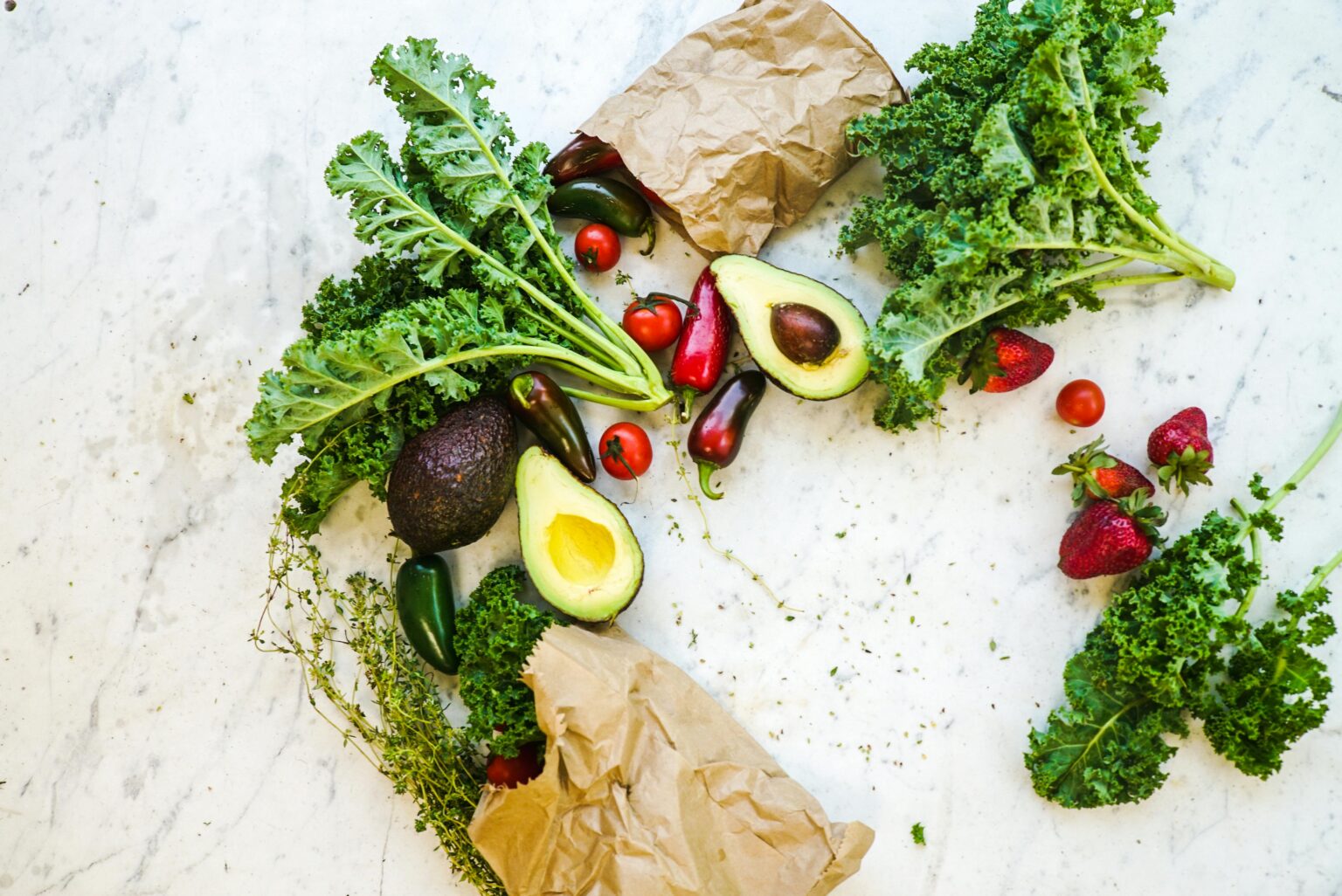
Imagine running a restaurant for billions of demanding guests, who are actually your gut bacteria. Some love onions, others live for lentils, and still others adore the polyphenols from blueberries or cocoa. The more diverse the menu, the happier your microbes are, and when your bacteria are happy, so are you: from better digestion, more energy, and a more stable mood to stronger immunity and stress resistance.
This “mini ecosystem” within your gut (your microbiome) depends on the food you feed it, and there is growing scientific evidence that dietary diversity , especially a diversity of plant foods, plays a key role in keeping this ecosystem healthy and functional.
The more diverse the microbiome, the more resilient it is. and better cope with inflammation, pathogens, and everyday stressors. A varied diet not only nourishes a variety of beneficial bacteria, but also encourages them to cooperate like a well-coordinated team working in your favor.
That’s why more and more nutritionists and scientists agree on a simple guideline: 30 different plants a week can be one of the easiest, yet most effective steps towards long-term health.
The idea of consuming 30 different plant-based foods per week is based on findings from one of the most comprehensive studies of the human microbiome, the American Gut Project.. In this study, more than 10,000 participants from the US, UK and Australia shared their dietary data and stool samples. Scientists analyzed their microbiomes and observed a strong association between dietary diversity and microbiota diversity.
The results were clear: people who consumed 30 or more different plants per week had a significantly more diverse gut microbiome. compared to those who consumed fewer than 10 plant species. In addition to having a greater diversity of beneficial bacteria, their samples also contained higher levels of protective compounds produced by these bacteria — such as short-chain fatty acids (e.g., butyrate), which are key to gut health and reducing inflammation in the body.
As in nature, diversity in an ecosystem means resilience — different types of bacteria have different functions: some help break down fiber, others synthesize vitamins, still others strengthen the intestinal barrier or communicate with the immune system.
When the microbiome is diverse , it is:
In contrast, a poor microbiome (with few different types of bacteria) is more often associated with problems like chronic inflammation, bloating, obesity, insulin resistance, and even anxiety or depression.
In other words, when you think about what you put on your plate, you’re not just feeding yourself, you’re feeding your entire internal micro-world, which greatly shapes your health.
The good news is that “30 plants a week” doesn’t mean 30 different types of salad or fruit. It’s about a much wider range of foods, many of which you probably already use, you just might not be counting them.
Here’s what it looks like in practice:
We don’t mean white pasta and bread, but natural, minimally processed grains that retain all parts of the grain, including the nutrient-rich fibrous coating.
Examples:
They are an excellent source of insoluble fibers and resistant starches , which feed beneficial bacteria in the large intestine and regulate digestion.
They are a treasure trove of plant-based protein, fiber, and micronutrients like folate, iron, and magnesium. In addition to keeping us full for longer, legumes are also a prebiotic food.
Examples:
Mix multiple types in stews, salads, and spreads to increase your “herb count.”
They are rich in healthy fats, fiber, and plant compounds that have a positive effect on gut bacteria and reduce inflammation.
Examples:
Add them to breakfast, salads, or snack instead of snacks.
You may use them in small amounts, but their antioxidant potential and polyphenols have a powerful effect on the microbiome, especially when you use them regularly.
Examples:
Spices don’t just add flavor — they’re also microscopic food for the microbiome .
Surprised?
They count too! Dark chocolate and unsweetened coffee are rich in polyphenols that selectively feed beneficial bacteria such as Akkermansia muciniphila and Lactobacillus species.
So, if you enjoy coffee or a piece of dark chocolate — feel free to mark it as +1 plant!
We already know that fiber is important for digestion, but its role goes much further than “regular bowel movements.” Plant fiber, especially Fermentable fibers and resistant starches , as well as plant compounds such as polyphenols , act as prebiotics. That means they’re not feeding you, but They feed your beneficial gut bacteria , which then produce compounds that act as natural medicines from the inside.
Among the most important such compounds are short-chain fatty acids (SCFA) , especially butyrate , acetate , and propionate.. These molecules are produced by the fermentation of fiber in the large intestine, and their action encompasses a whole range of biological functions:
In other words, when you feed butyrate-producing bacteria foods rich in fiber and polyphenols, they “return” by creating molecules that protect your body from the inside .
Polyphenols are plant compounds responsible for the color, flavor, and bitterness of many plants (e.g., dark berries, dark chocolate, coffee, olive oil, spices like turmeric). They themselves have a powerful antioxidant and anti-inflammatory effects , but interestingly, their real power comes when they are broken down by intestinal bacteria :
They are particularly interesting in the context of the gut-brain axis – scientists are increasingly investigating how polyphenols and their metabolites can modulate neurotransmitters such as serotonin, GABA, and dopamine, through their influence on the microbiome.
Sometimes we are not aware of how many plants we actually eat, let alone how many we don’t.. Good news?
With a little planning and a few tricks, your weekly plant-based food choices can explode. Here’s how:
In addition to fresh fruits and vegetables, always have on hand:
Lettuce is not just a leaf of green. Add:
Kefir or yogurt becomes a microbiotic meal when you add:
Lentils, chickpeas, beans – cheap, easy and great for the microbiome.
Finely chopped spinach, kale, leeks, or cabbage are easy to “drown” in:
Plus, Metabelly fibers have no taste or smell — you can put them anywhere.
Spices are not just for flavor – each has its own microbiotic potential.
Add regularly:
Forget chips and crackers. Instead:
Make at least one day a week meat-free. Focus on:
You don’t have to eat “perfectly.” There’s no pressure to hit exactly 30 plants each week. It’s just a guideline — an inspiration to think bigger, eat more diversely, and be more mindful of your microbiome.
Because every new plant is a step forward.
By signing up, you agree to receive our newsletter. We don’t send spam – only useful information for your health.
Enter your email address and download the guide.